Car Camping Guide- How to plan your first car camping trip
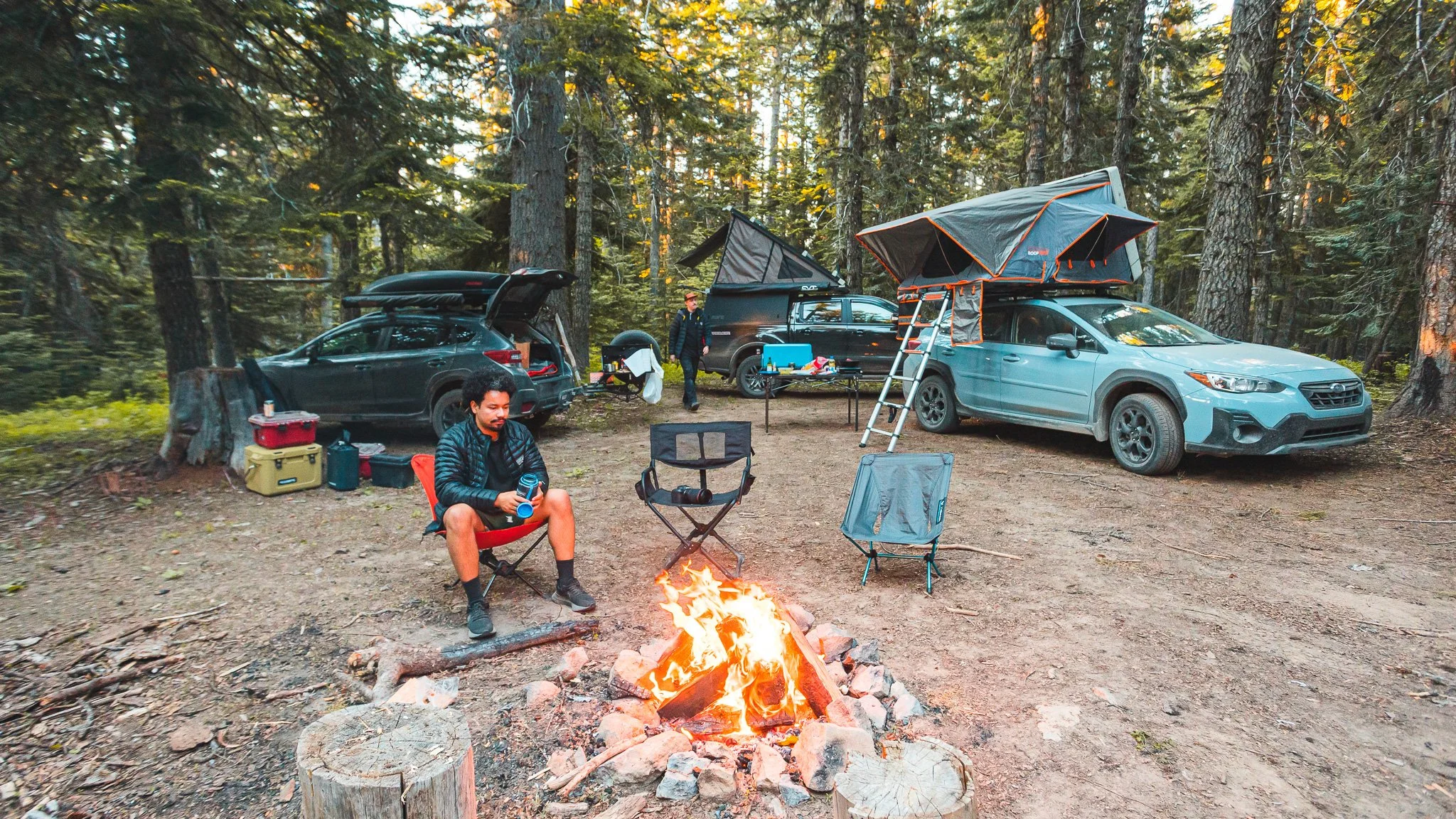
Car camping is one of my favorite ways of traveling! It allows you to get away from the crazy city and explore new places. Instead of staying at a resort or hotel, you can surround yourself in nature watching the sunset over the mountains and fall asleep under the stars. The car camping lifestyle has so many benefits, it is extremely flexible allowing you to pack up camp and move somewhere else whenever you'd like. Many times I’ve left a destination early due to weather, other people, or simply felt I had seen what I had wanted to for now and wanted to see something new. Another reason why people enjoy car camping is because it is very cost friendly, you can often camp for free or for a small fee at a campsite.
There are a number of ways you're able to car camp, some opt to sleep in their vehicle, tent camping either with a ground tent or roof top tent are options. I personally have a roof top tent and have been loving that set up! It's very easy to use, set up, and much more comfortable.
In this guide I’ll be going over everything you need to know to be ready for your first camping trip! Ill be sharing everything that I have learned over the last few years in the guide to get you ready. Everything from how to find great places to camp, what to bring, and how to plan your first car camping trip.
When To Go Camping
Deciding when to go camping can be so difficult, especially depending on the part of the world you live in. Here in the PNW you can camp year round if you want. However if you don’t want to camp in the snow the summer is definitely the best time of the year. After the snow has melted off the mountains all the trails and camp site are open! Although summer is possibly the most beautiful time, it is also the most popular and crowded time of the year. With everyone taking vacations and heading to the campground, make sure you plan ahead, especially in National parks. If you’re looking to avoid crowds and have beautiful sites all to yourself then I would recommend heading out in the fall. With temps cooling down and kids back in school, fall camping might just be the best time. It all just depends on what you’re looking for in your next camping trip.
Where To Go Car Camping
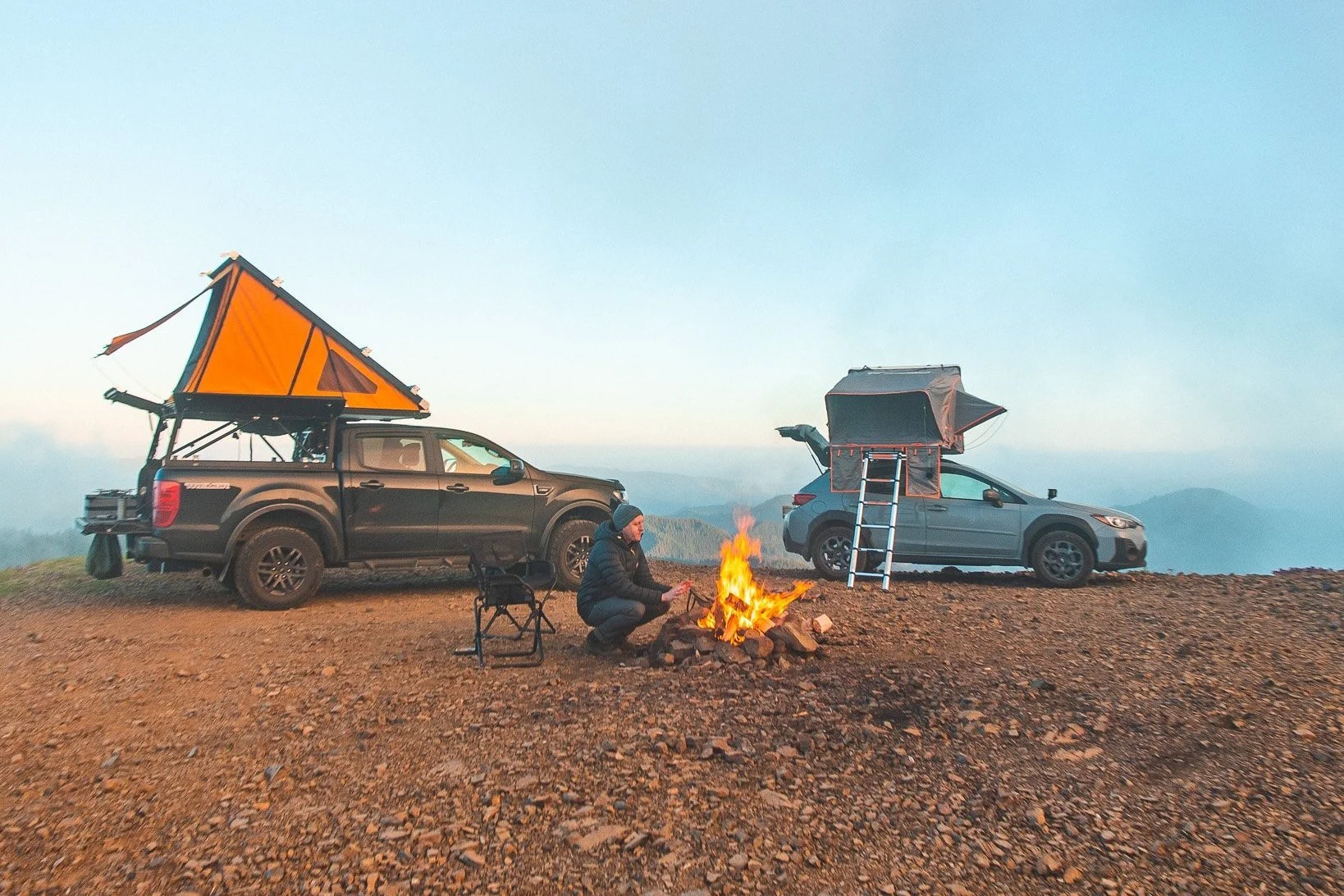
There are endless possibilities on where to go camping! In the US there are options for free camping or staying at a campground. While campgrounds will often have amenities like showers, bathrooms, picnic tables, and firepits, they can also be busy and crowded. Another option would be dispersed camping. Dispersed camping is a great free option for camping, getting out into national forests or BLM land where you can find little campsites. There are no amenities and you need to bring everything with you. Dispersed camping is my favorite way to camp, it often offers the best view and unique campsites. The US is full of places to disperse camp, while it is not allowed in national parks. Depending on the park you might be able to find some unique spots just outside of them. I recommend going and staying at a campground for your first trip as there will be others around, some amenities and usually aren’t too far form a small town if you forget something.
How To Find Free Car Camping Spots
There are a lot of great options to go camping for free! Typically to get free camping spots it often means you are not near a town so make sure you have everything. This can often make them inconvenient to where you may be headed however it can also offer some of the best views you can find. There are many great resources for finding free camping. There are great apps like IOverlander, Freeroam, and The Dyrt. Read blog posts, use google maps, guides, books, and ask friends.
Some places where you can find Free camping
Bureau of Land Management (BLM). There are usually offices in small towns near BLM land that you can ask for recommendations.
National forest land. As long as you are off vegetation and not blocking roads you’re allowed to disperse camp on national forest land. However obey any sign that may say “No Camping” This is typically my go, out on a trip i’ll look to national forests first for free camping
Business parking lots. Some businesses like Walmarts, Cracker Barrel, fitness centers, and Camping world will allow you to camp in the parking lot. I would avoid setting a whole campsite though as you can still be asked to leave. Try to stealth camp if you're able to, this will cause less attention to yourself. Respect these businesses as they don’t have to allow this.
Rest stops. A good resort if you need somewhere to rest for a night along your journey.
What To Bring Car Camping
Sleeping Essentials
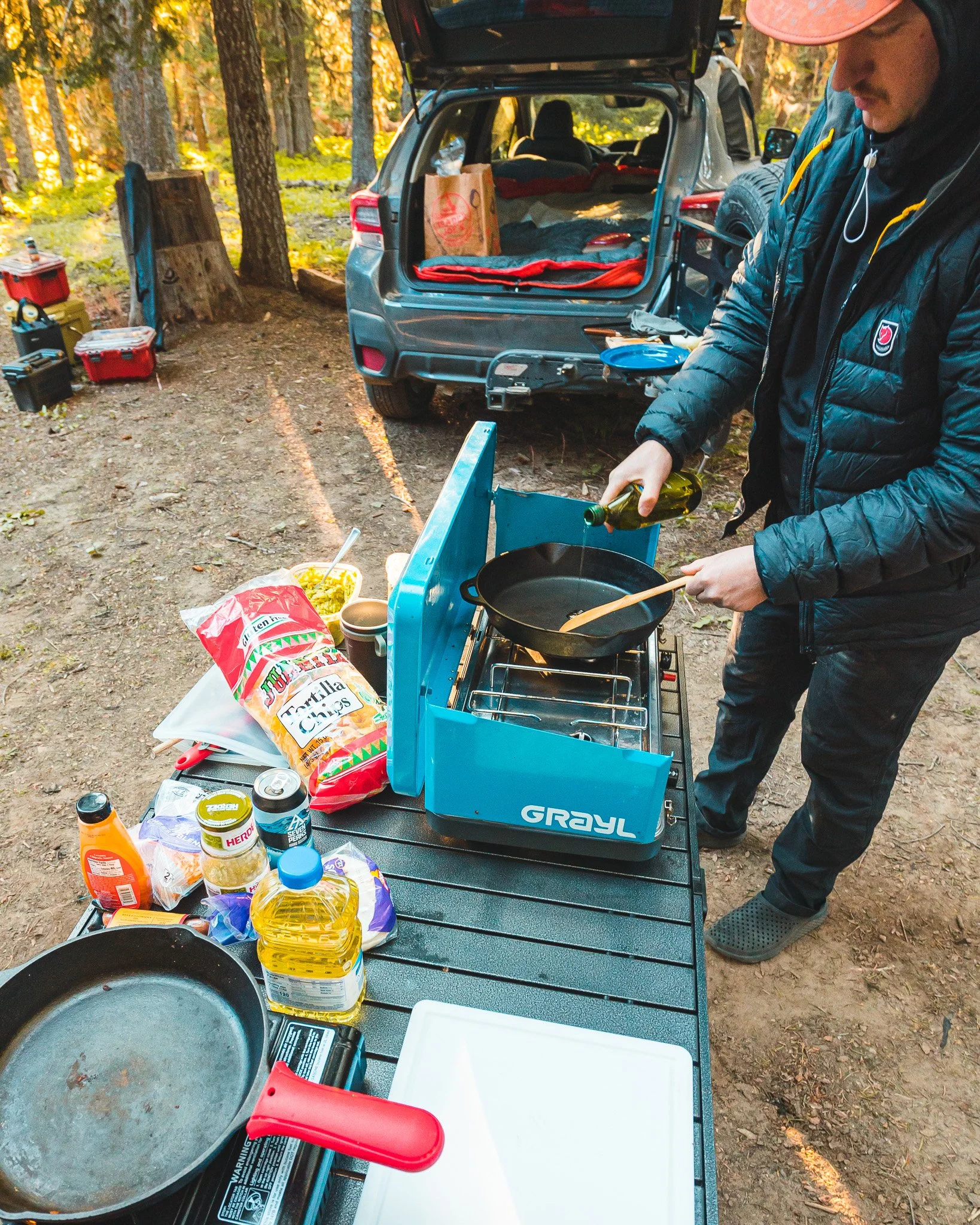
First you need to figure out your sleeping arrangement. Some decide to sleep in their car, this works great depending on your vehicle and space. Others and perhaps most commonly pitch a tent. If you enjoy camping you could look at investing in a roof top tent that goes on top of your vehicle. This is how I prefer to camp. If you decide to camp in a tent you need to bring things like a sleeping pad, sleeping bag or blankets. If you camp in your car all you need to do is fold seats down and then put out your pad and sleeping bag in there! Remember you don’t need to have all the gear to go camping it's all about just getting out there. Each trip get one or two new pieces of gear and before you know it you’ll have a whole camping set up!
Sleeping essential items:
Tent
I have been using the Marmot Catalyst 2-Person Tent. This is a great budget friendly 2 person tent for 3 seasons. They also make a 3 person version as well
Sleeping bag
There are so many great sleeping bags out there, Depending on the temperatures you're going to be in, I would recommend a sleeping bag 10 degrees or below. Sleeping bags can get spendy the lower temp they are rated for however if you're really on a budget you can always bring blankets from home, you are car camping after all pack the car up!
Pillow
There are some great compact camping pillows out there. I love the Nemo pillow I have, it packs up so small. You can also just bring a pillow from home. I did this for a very long time on car camping trips, and still do since It's more comfortable!
Sleeping pad
When it comes to finding a great pad just look to make sure it is long enough for you and look to see if there is any insulation to help keep you warm at night.
Kitchen Essentials
Stove and fuel
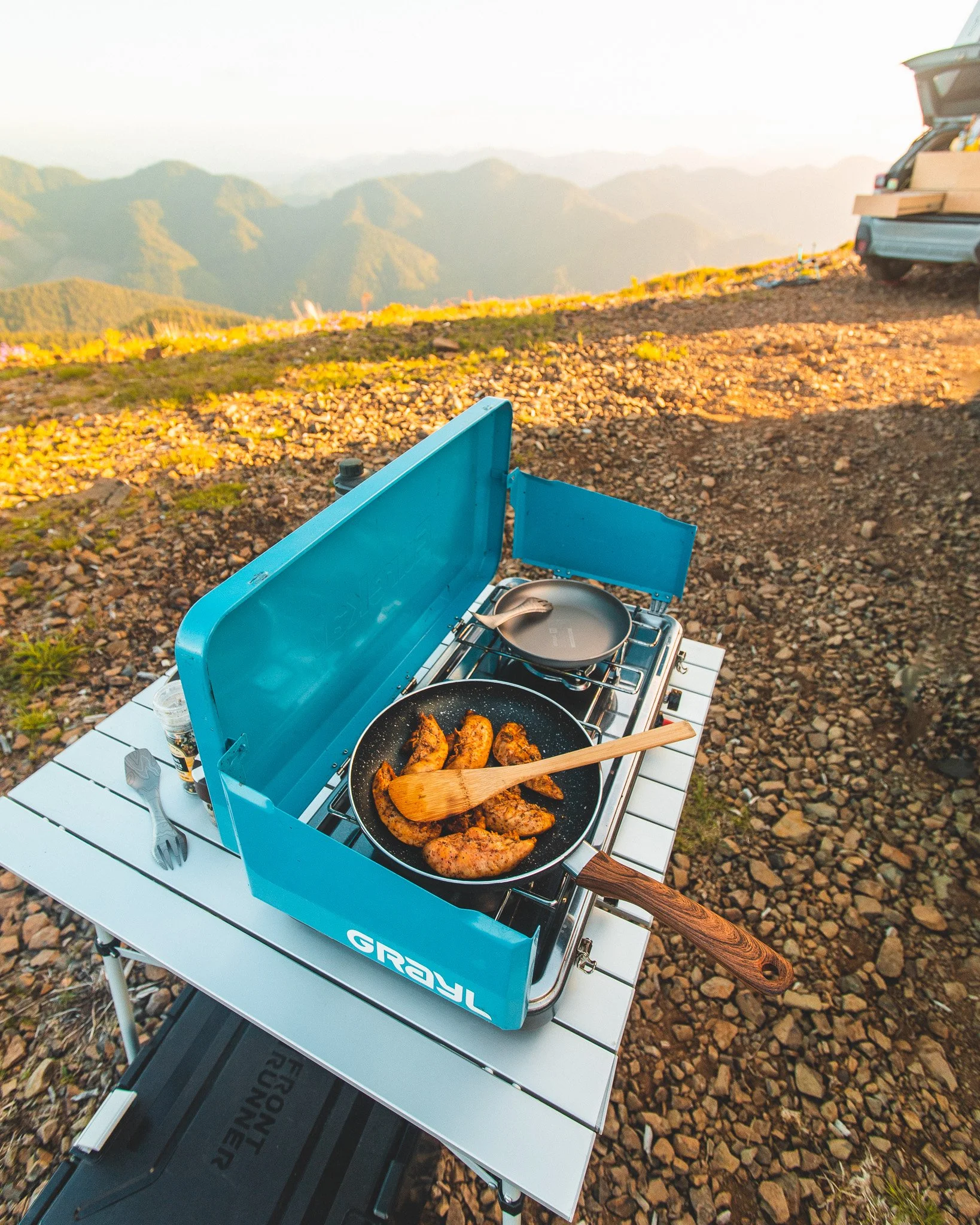
There are lots of great options for stoves, single burner stoves, two buner stoves, jet boils, or you could opt to cook over a camp fire. When getting a stove thing about how many pan you typically use. I personally try to cook everying with one pot/pan so I have a single bunner stove, and utilize a jet boil whenever I need to just boil water (coffee, ramen, dehydrated food)
Cooler
Water storage
Cooking pan and/or pot
Dinnerware
While they make camping versions of all of these items that are often compact and lightweight you can also grab a small plastic tote and bring these items from home for your first trip.
Cups
Plates
Bowls
Forks
Spoon
Knife
Kitchen tools
While they make camping versions of all of these items that are often compact and lightweight you can also grab a small plastic tote and bring these items from home for your first trip.
Spatula
Knife
Can opener
Spoon
Cutting board
Water bottle
Food
Water
Camp kitchen sink
Dish soap sponge
Trash bags
Paper towels and/or towel
Toiletries
Toilet paper
Towel
Tooth Brush
Toothpaste
Brush/Comb
Outdoor Shower
Shampoo
Soap
Sunscreen
Chapstick
Handsanitizer
Bug spray
Deododorant
Feminen Products
Anything personal you may need (Beauty products, Medications Eye mask, Earplugs, Contacts, ect.)
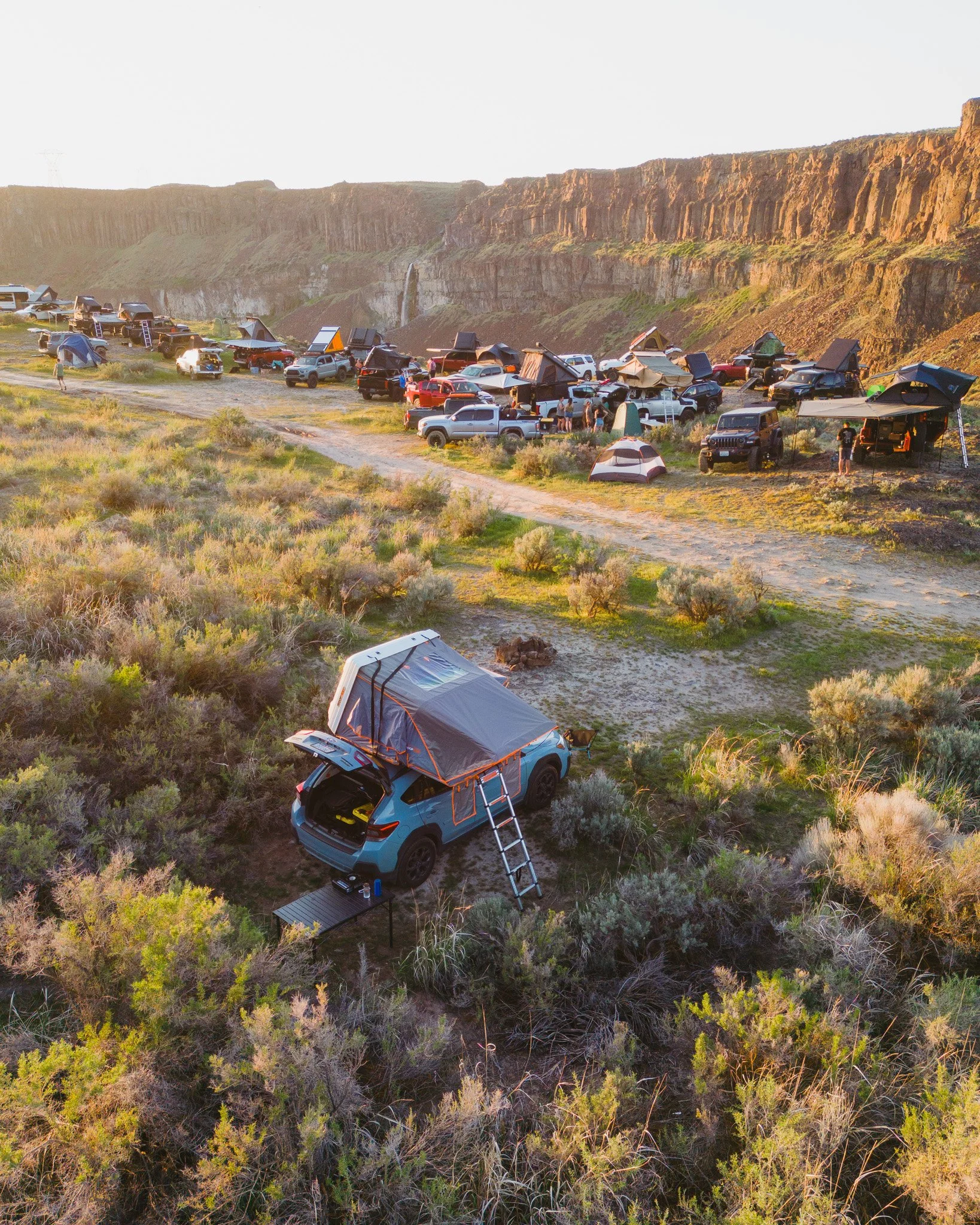
Camping Necessities
You may not need all these items on every trip, but they are good to have and are there for your safety.
Head Lamp or Flashlight
I prefer a head lamp over a flashlight since you can use your hands at the same time. Ideal for setting up camp or hiking in the dark.
Lighter
A lighter is very useful at camp, fringe lighting your stove to starting a fire. I make sure i always have one. Even on a day trip if things go wrong you’ll be glad you have it to help keep you warm.
Multi-Tool
Having so many tools together is super helpful in situations. You may never think you need some of the tools on it until you do.
Pocket Knife
Bringing a sharper/larger knife than you multi-tool makes cutting items easier and relying on the one on the multi-tool
Duct tape
Duct tape is so great for quick repairs, keeping things together. Again one of those things you might not need until you NEED it and you’ll be glad you have it.
Scissors
If your multi-tool doesn’t have any then just bring some from home.
First Aid Kit
Always be prepared for the worst. Nobody wants to get hurt out camping or hiking but it happens! Make sure you're ready with a first aid kit.
Paracord
Pick up some 550 paracord and keep it in your car or pack. Great for throwing up a bear bag, hang lights or a lantern at camp. There are so many other uses too, but make sure you know your knots too!
Water Filter
If you don't have access to new clean water, a water filter is a great thing to bring with you. I love the Grayl water bottle, it doesn't take up much space and can be used as a water bottle as well and is super easy and fast to use.
Bear Spray
We all hate getting bug bites, enough said.
Small amount of Cash
Good thing to keep in your glove box incase where you’re camping/hiking requires a small fee.
Comfort Items
These are a few items that make life at camp a little more comfortable. Not required but can help make the experience more enjoyable.
Camp Chair
Camp Table
Cards or game
Lantern
Blankets
Firewood
Hammock
Portable charger
Privacy shade for your car
Car organizer
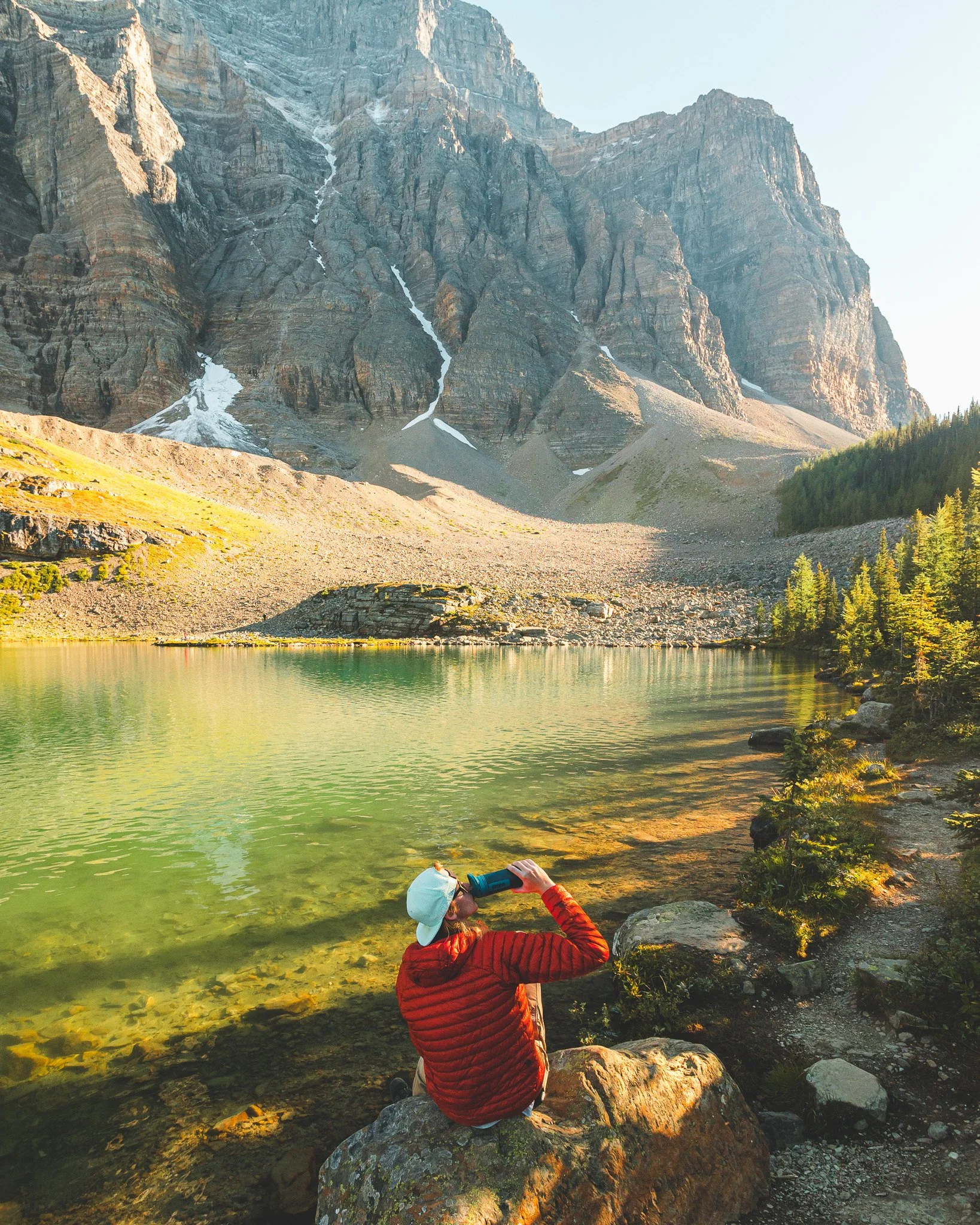
Clothing
Be sure to check the wether before you pack so you can pack clothing accordingly. Remember that the tempratuers will always be cooler at night so bring some layer to bundle up at night. Remember that you want to avoid anything made from cotton.
Clothing for sleeping
Depending on your sleeping bag or blankets you may want a few layers for sleeping. I recommend merino wool base layers or a warm hoodie
Hiking pants or shorts
Hiking pants are great for just lounging around camp or heading out of the trail. I recommend the Kuhl Renegade Rock pants.
Shirts
Look for sweat wicking polyester shirts, some that you my wear to workout. These will help keep you cool.
Wool socks
Wool socks will keep your feet warm and prevent blisters.
Insulated Jacket
Key to staying warm! A good insulated jacket will be pricy but well worth evey penny! Take good care of it and it’ll last forever. Take a look and see what the down number is the larget the number the more insulated it is (800-1000) is best.
Rain Jacket
Make sure you pack a rain jacket. I always bring one even if its summer, you never if it’ll rain out of nowhere. Much like a insulated jacket a rain jacket can be pricy but a good rain coat will keep you dry and there is nothing worse than been soaked while camping. When buying a rain jacket make sure it is waterproof and not water resistant.
Sunglasses
Make sure you pack your sunglasses even in the winter month. My favorites are Goodr’s
Hiking shoes or boots
Bring those hiking boots if you plan to hike. Bring something study, there are boots with ankle support or low cut hiking shoes. These boots should be tested before going and well broken in.
Sandals
You may not want to wear large heavy boots around camp, do having a pari of sandals for around camp will provide a level of comfort.
Underwear
A polyester blend is ideal for hiking and camp!
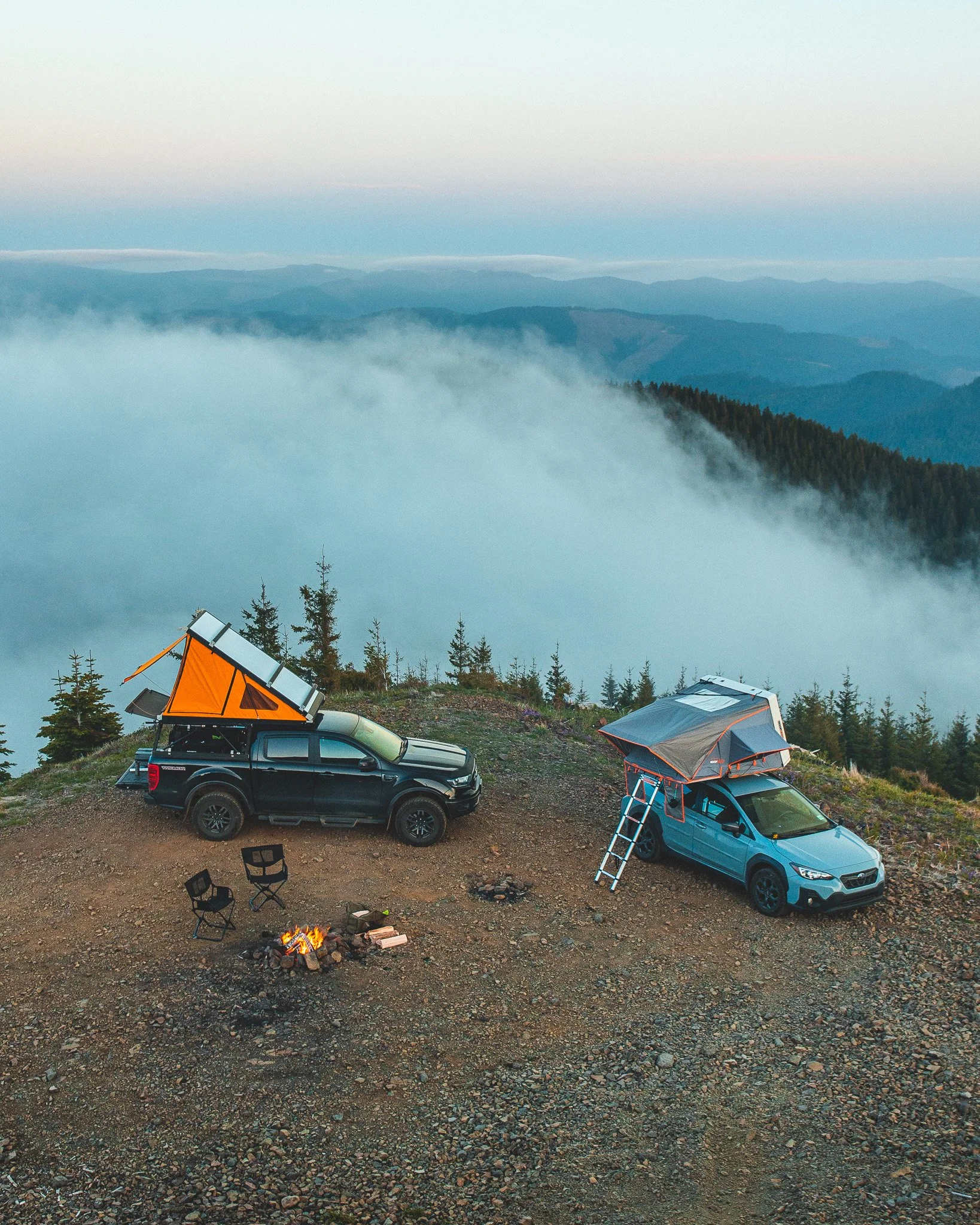
Things to know about car camping (Tips)
Check the weather
Being prepared for any weather will help have a more enjoyable trip.
Don’t let gear stop you from going
You dont need to have all the gear to get outside and have a good time. Bring a lot of thing from home the first trip! Slowly gather new gear over many trips.
Pack a day before
You want to make sure you have everything ready and leaving packing to the last minute increase the chances you forget something important.
Check for road closures
Take a look that roads to your campsite and hike you will be doing that they are open. Especially in the winter many roads may be closed. Similar, if you’re staying at an established campsite you’re paying for, check their website for any updates of the campground.
Download an offline map
Google maps allows you to download an offline map, this way you’ll be able to get to camp and hikes without worry.
Fill up on gas before you get out of town
Make sure you have a full tank and enough gas to get you to camp. You do not want to be stranded on the side of the road. Some highways don’t hae gas stations for long stretches, so know where the next one is.
Follow campfire regulations
If fires are not allowed in the area, please don’t have one.
Keep things organized
Try your best to keep thing organized in bags, clear totes, or something else. This will be very helpful if you’re doing a longer trip, and makes finding what you need easier.
Be aware of wildlife
Be knowledgeable of the wildlife in the area and what you might encounter. If it is bear country make sure you are storing food and anything scented (deodurant, toothpaste, chapstick, ect.) properly.
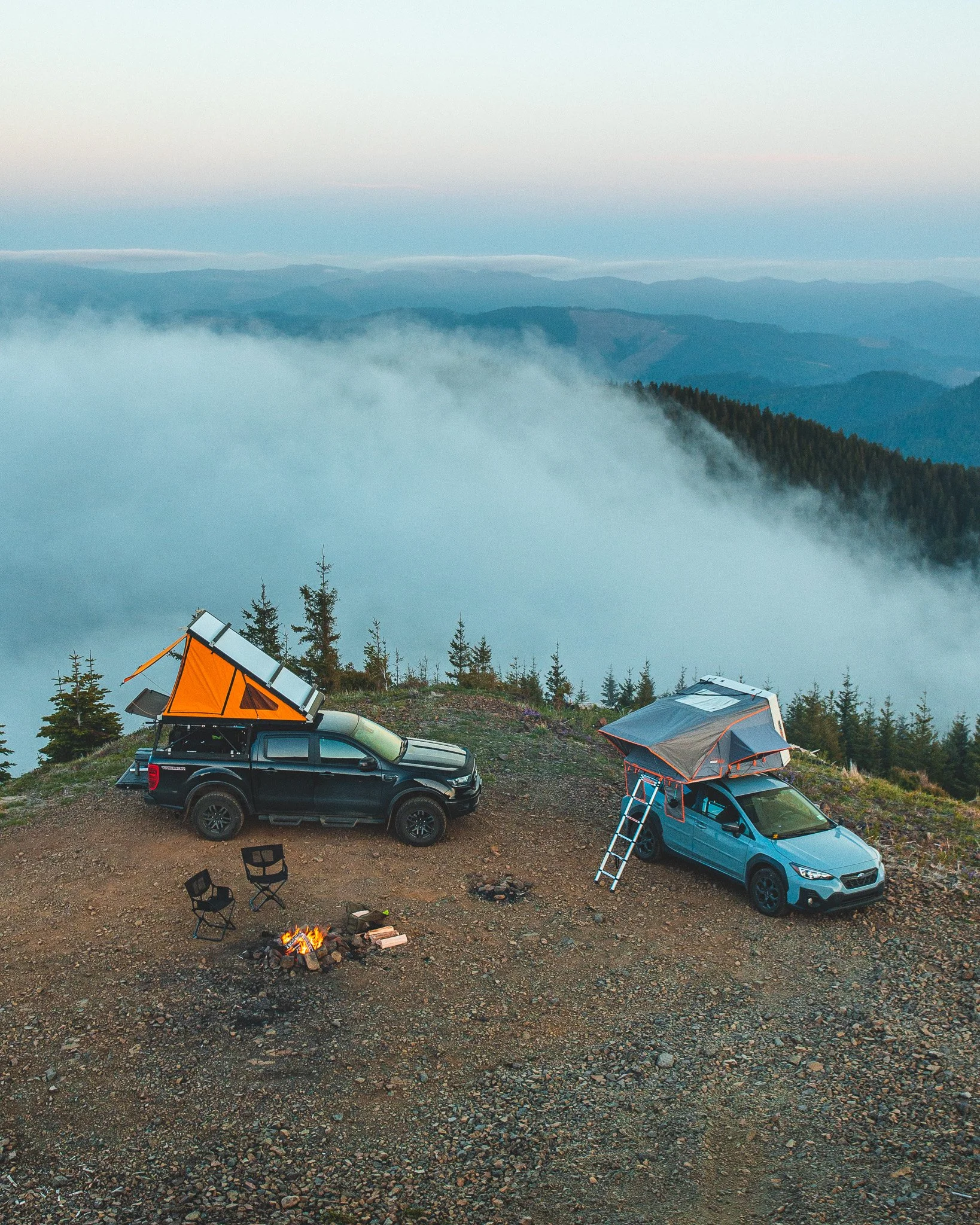
Final Thoughts
I hope you found this guide helpful and helps you be better prepared for your next car camping trip. When planning your next trip make sure you pack accordingly and plan for the worst. Plan and do your research for fires regulations, hikes, weather, and campsite. Be ready and adaptable for anything to change if need be. Dont forget to follot Leave No Trace principles and of course, Have Fun!