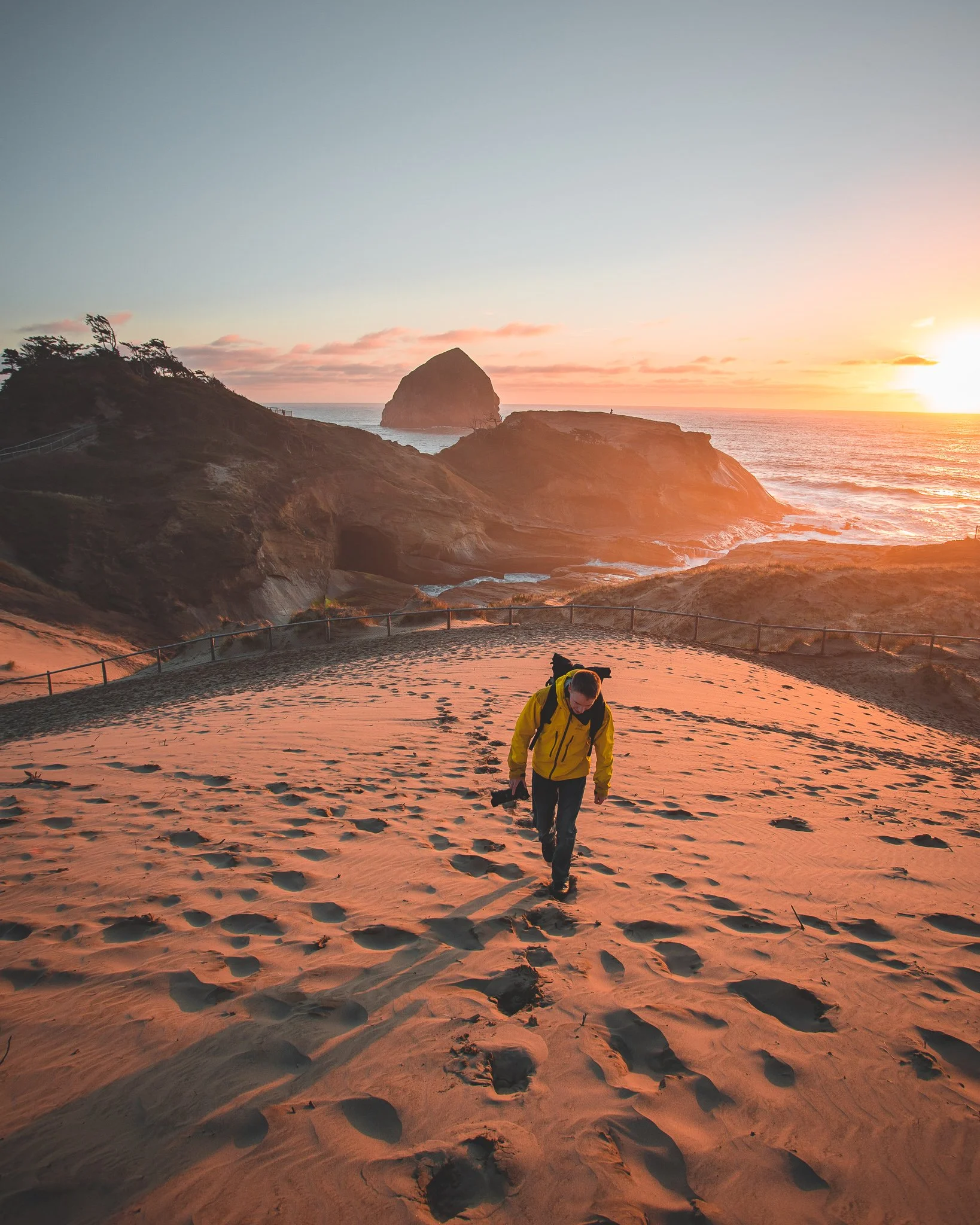
Hiking For Beginners: The Complete Guide
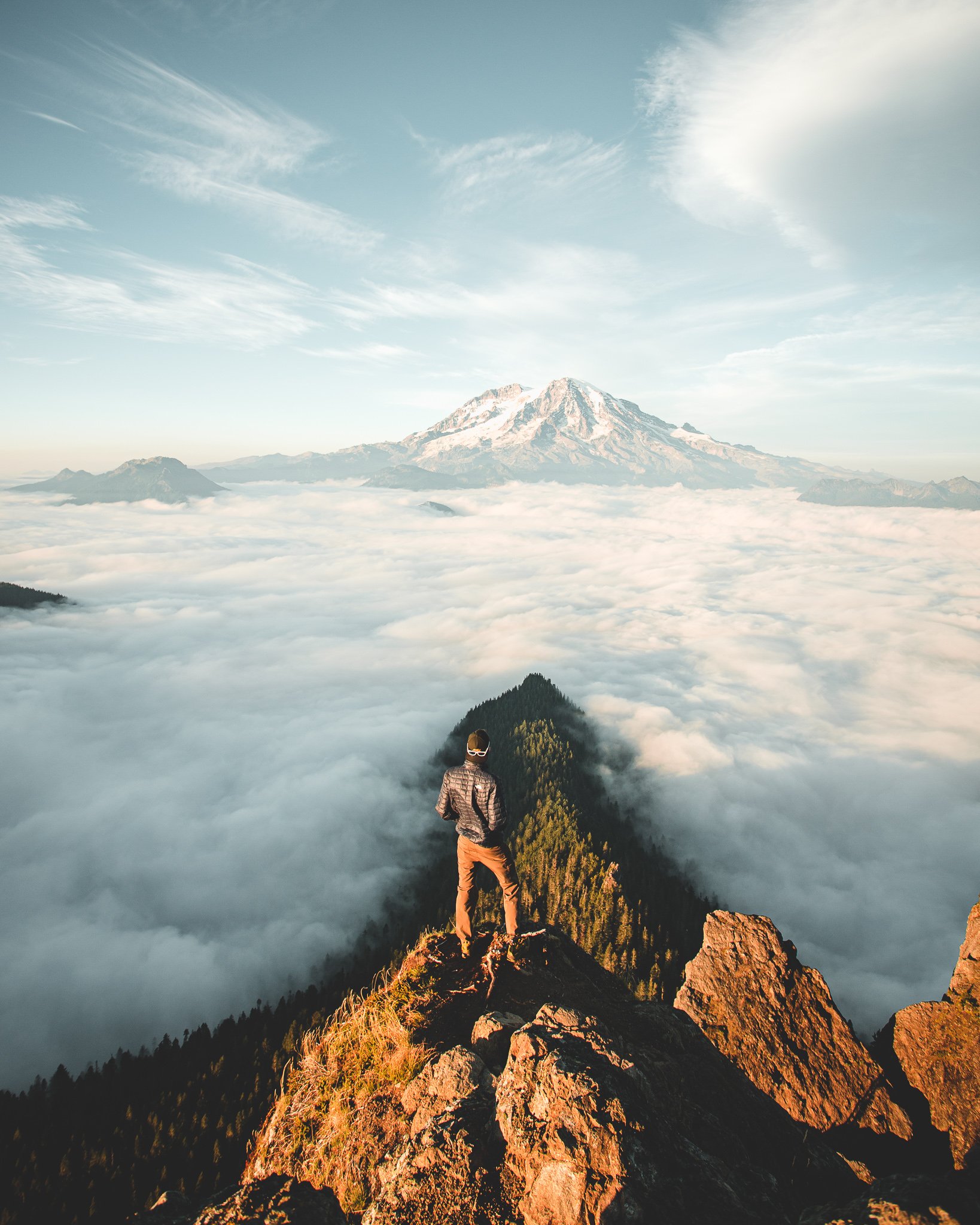
Hiking can be a really rewarding time, and it's a great way to get outside. hiking can be great for you physical and mental health. It allows you to escape the crazy city life and disconnect from technology. Getting started can be intimidating, where to hike, what gear to bring, wildlife, trail safety and etiquette. This guide will teach you all you need to know about day hiking and get you ready to get out and enjoy the trails.
Types of Hikes
Day Hiking is probably the most common and what most think of when you hear hiking. A day hike is a hike completed in a single day. This can be anywhere from 1 mile to 20+ miles.
Backpacking is a multi-day trek. Trips will entail carrying all of your gear with you to camp including tent, food, clothes, etc. These can be just one night, a long weekend or months long.
Thru-Hiking is a backing trip that starts and ends at different locations. These treks are typically longer trails like the Pacific Crest Trail, but you can definitely take shorter options. Thru-Hiking usually involves a bit more planning than a typical backpacking trip.
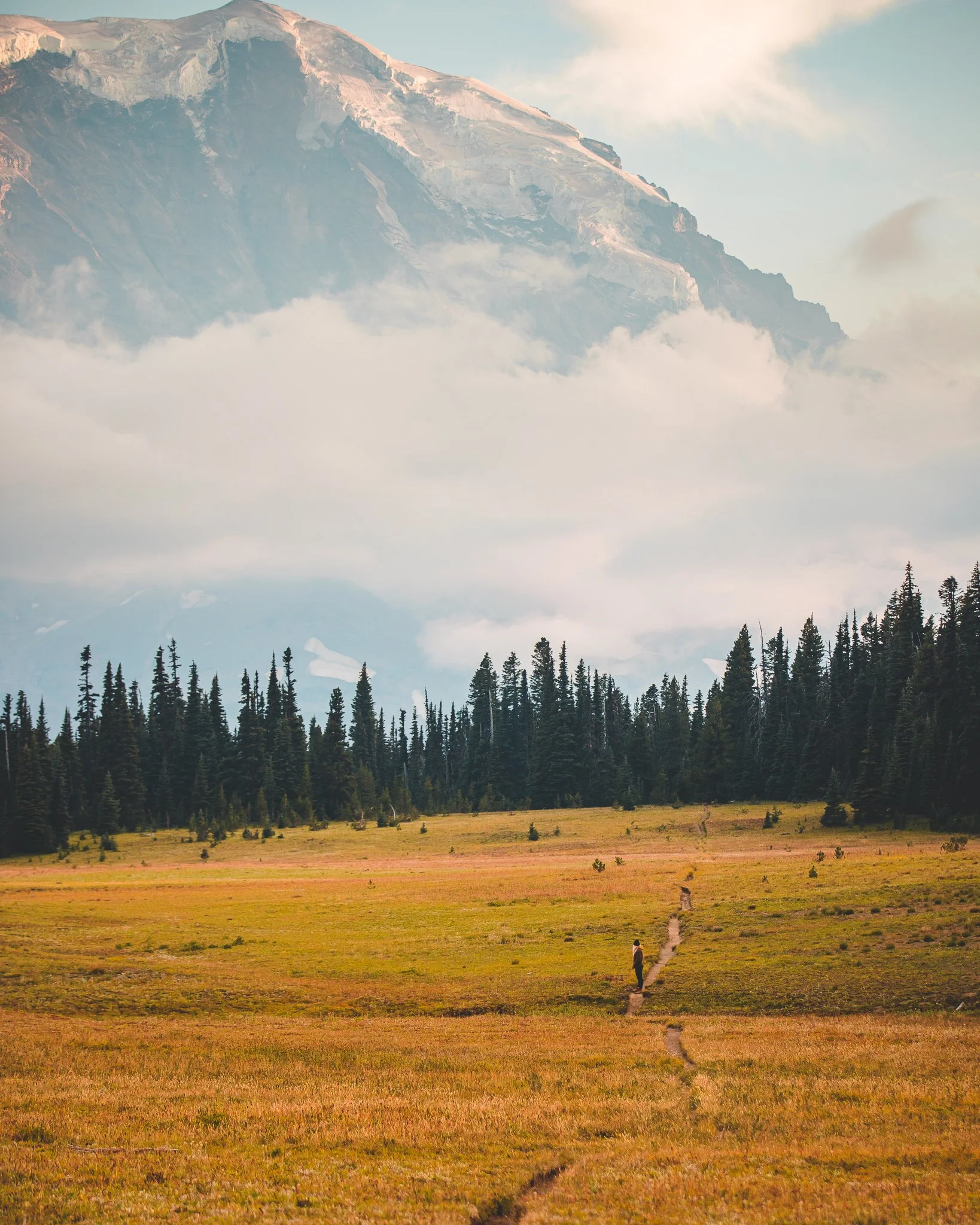
Where To Hike!
Knowing where you’re going is a great starting point on your planning. There are so many great resources to find great trails.
AllTrails is one of my go-tos and is a very popular hike planning app. This app allows you to filter hikes for any difficulty, length, elevation, or even what you want to see. You can also read and write reviews which helps to know the current condition and accessibility of the trail. If you have the pro version it allows you to download your map for offline use, very important if on a longer hike or on a trail with no service.
Blogs can be another great resource. Blogs can provide a great first-hand experience that you won’t find everywhere. A great way to find these blog is by google what you're looking for (“Best hikes in the Columbia River Gorge”)
Google earth and google maps can also be a great way to find some lesser known hikes. If you take a little time to roam around on google earth you can find some really cool places that you won’t find on AllTrails.
Friends, family, co-workers: ask your friends, family, or co-workers, especially if they’re already into hiking for some good recommendations . This can be a great person to ask to go with you too!
What To Look For In A Beginner Trail
So you have some good resources to find hikes but how do you know if a hike is good for you? You don’t want the trail to be too difficult or it might not be enjoyable and you won’t want to go again. You will want to make sure the hike is suitable for your fitness level. Consider elevation gain, the distance, and weather when deciding on a hike. A snowy and icy trail in the winter can be more difficult than that same trail in the summer.
A few tips in finding the right hike for you!
Do extensive research for seasonal trail and road conditions. Are the roads open and accessible? Will there be snow? Is there a gate that will turn my 4 mile hike into 8?
Check your map and navigation and trailhead info. Do you know how to get there? Do you have a map downloaded? Do you need all-wheel drive to get there? Is there plenty of parking, or do you need to get there early?
Permits and passes. Make sure you have all the parking passes you need. Visit the state or trail website to find which passes are needed at the trailhead.
It’s not a race! There is no need to rush yourself. Nobody cares how fast you’re hiking. But you also don’t want to be hiking in the dark if you’re not prepared to, so make sure you leave yourself plenty of time to complete your hike.
Know what you want to see! Hikes are a great way to get amazing new views of a mountain or go find a waterfall in the forest. Or maybe you want to hike on the coast near the beach and watch the sunset. Knowing what you want to see is a great place to start your planning. Base this off the weather too, you won’t see the mountain if it’s cloudy and pouring rain.
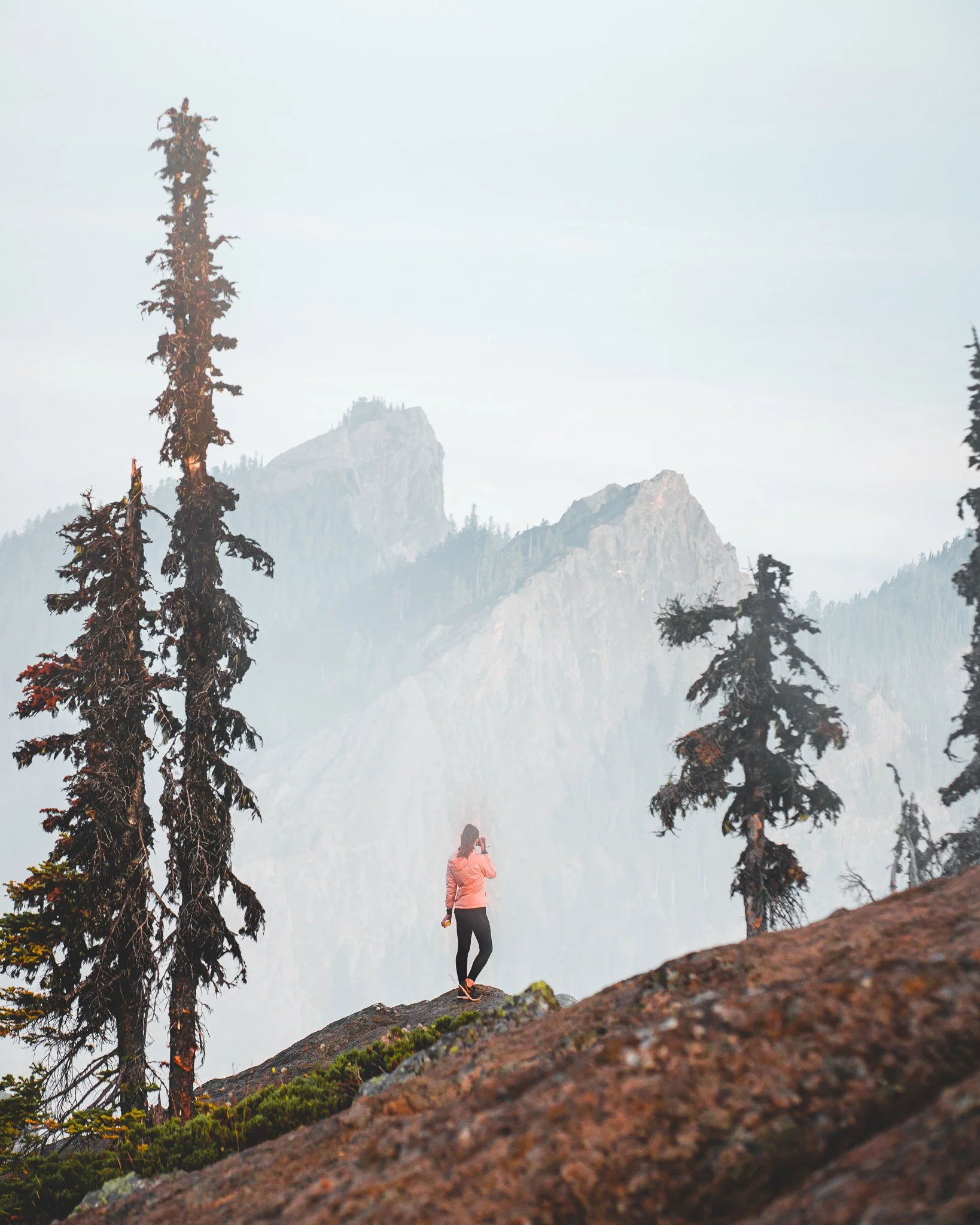
Understanding Elevation Gain
Elevation gain can be the most difficult part of a hike. One of my most challenging hikes I’ve done was Upper Yosemite Falls. It’s only 7.5 miles, however the elevation gain is 3,200ft. Elevation gain is defined by the total elevation gained over the entire hike. It’s a total of all the uphills along the entire hike. AllTrails and National and State parks will give this to you!
I recommend as a beginner to choose a hike under 5 miles with little to no elevation gain, look for something under 250ft per mile. Depending on your fitness level you may be just fine with a longer or bit more difficult hike.
Hiking Essentials For Beginners
Gear can be one of the biggest fears in getting started, but it doesn’t need to be. You really just need a few essential items to get started.
The 10 Essentials
Packing the “Ten Essentials” for every outing is a great habit to get into. I always have mine packed whether I'm hiking, backpacking, or snowboarding. You may only use one or two of these on a trip. It is when something goes unexpectedly that you’ll truly appreciate the value of having these items with you, they could save your life.
Navigation: Map, compass, or GPS device. I recommend having a offline map downloaded either through AllTrails and/or google maps
Headlamp: With extra batteries or battery pack if it’s rechargeable. This is essential when hiking in the dark.
Sun Protection: Sunglasses, Sunscreen, sun-protective clothes, hat
First-Aid: Make sure you have thing for foot care as well. For a short day hike a 1-2 person kit works well. Take inventory of what you have with you before you head out.
Knife: Keep your knife sharp, clean, and in good condition
Fire: matches, lighter, tinder, fire starter. It’s also not a bad idea to keep a few options with you (I keep a lighter and matches in my pack)
Shelter: This can be as simple as a little bivy or a tarp with the knowledge on how to build a shelter if you had to. It is uncommon, but hikers do get stuck on trails and have to spend the night.
Extra Food: This is beyond what you already need. Bring what you will need for your hike and then a little more just in case you get stuck overnight.
Extra Water: This is beyond what you already need. Depending on length, difficulty, and weather, two liters is usually enough but may need more depending on conditions.
Extra clothes: I recommend always having rain gear with you and an extra jacket. I have been on so many hikes where a rainstorm came out of nowhere.
A Durable Hiking Backpack
You need a good backpack to carry you ten essentials and other items with you on your hike. I would advise avoiding drawstring packs. As you get more serious and into hiking more regularly, it would be a good idea to upgrade that pack to something more hiking specific, like an Osprey pack. These packs are great for day hiking. They have a lot of features in them like rain covers, and a mesh-lined back panel.
What To Wear Hiking
Layers are the key when dressing for a hike. Being able to put on or take off layers will keep you comfortable on the hike.
Breathable workout shirt. Just a simple workout shirt works great! Look for shirts made from polyester materials. You don’t need anything hiking specific. Avoid cotton as it will absorb sweat and rain and stay wet. It will become heavy and make you cold.
Lightweight pants. I recommend getting a pair of hiking pants. Pants are proffered over shorts even in the summer, protecting you from scratches, mosquitoes, poison ivy, and sunburns. At the end of the day just make sure what you wear is comfortable and allows movement. Try to avoid jeans and heavy pants.
Rain Jacket. Part of the 10 Essentials I always recommend having a durable and waterproof rain jacket. Look for “waterproof” over “water-resistant”. Rain jackets can be pricey but are a valuable investment that taken care of will last a very long time. The goal for your rain jacket should be on the outside keeping you dry.
A fleece or puffy jacket. A good middle layer like a warm fleece or puffy is a great way to stay warm. I really like my Mountain Hardwear puffy because it packs up really small and is really warm.
Hiking boots or shoes. As a beginner you don’t need to buy a new pair of boots for hiking. Just a pair of shoes with good traction will work. But depending on the terrain and length of hike you will eventually want to have a dedicated pair of boots. A good pair of hiking boots will provide better traction, waterproofing, and ankle support.
Best Foods For Day Hikes
When I was new to hiking I had no idea what kinds of foods I should be eating. I just brought whatever I wanted, and although that works there are better ways of going about what to bring and what you should be consuming on the trail.
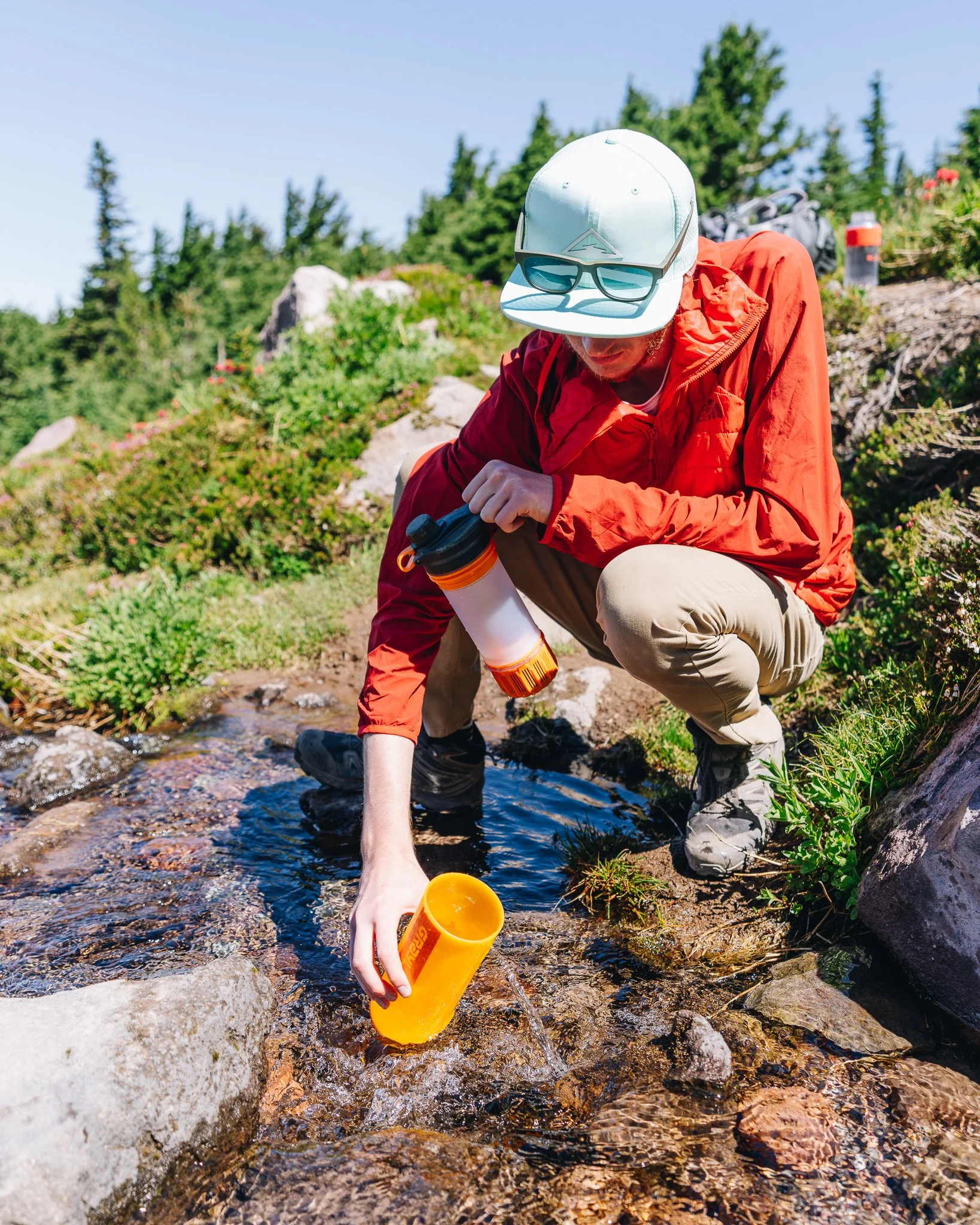
First off, hydrating. Make sure you bring plenty of water with you and even more if it's hot outside. Even in the cold winter months you need to be consuming a lot of water even if you don’t think you're sweating. I recommend bringing two, two liter water bottles and a way to access more if you need it like a water filter. This can all be best decided based on the length of hike, weather, and how much water you've had leading into your trip.
There's a few options you can do for food. You can just bring a bunch of non-perishable snacks like trail mix, jerky, dried fruits, whole fruits, granola bars, or tuna packets. You can bring perishable food like sandwiches, or pasta salads. Just keep in mind they need to stay cold and if you bring an ice pack it will add weight. Or you could even decide to bring food to make like ramen, soup, or something similar. I will do this if I’m hiking a longer trail and want to spend a little more time making a meal. There are definitely pros and cons to all of these options, like bringing ramen to make means bringing a backpacking stove, and takes time. Whereas granola bars and trail mix can be consumed while you’re hiking and don’t have to stop to eat.
Trail Etiquette Guide
When you pass by another hiker, say hello!
If you’re hiking slower than others behind you, step aside and let them pass.
Don’t scream or shout. Screaming and shouting means there is an emergency on the trail. While it's okay to have a loud conversation to make your presence known, don't scream or shout unless it's actually an emergency.
Allow other hikers to pass when you’re stopped. Whether you're taking photos, a snack break, or to catch your breath. Step to the side of the trail so others can pass.
On the trail the hiker going uphill has the right of way. The hiker going downhill should step aside, and create space for the hiker going uphill. This is because the person hiking uphill may be concentrating more on what’s right in front of them and the hiker going downhill has a larger field of vision.
Don’t play music. Hikers venture out to nature to escape technology and everyday life. Leave the speaker behind and embrace where you are and who you’re with.
The Leave No Trace Principles
This might be the most important thing you learn before hitting the trail. These are 7 principles everyone should follow while recreating outdoors. It’s incredibly important we all do our park in preserving the outdoors to protect these beautiful areas and for future generations to enjoy.
Plan ahead and prepare. Know where you’re going, follow rules of the park, and avoid trails at peak times to prevent overcrowding.
Travel and camp on durable surfaces. Stay on established trails. Camp only where others have camped before, in established campgrounds
Dispose of waste properly. Pack it in, pack it out. Take all trash with you, including apple cores and seeds. Make sure to bury all your poop in a 6-8 in hole and pack out all toilet paper.
Leave what you find. Leave nothing but footprints and nothing but photos.
Minimize campfire impact. Do not start fires during the dry season. Only have fires in established fire pits. Know fire safety and always be ready to put it out.
Respect wildlife. Keep a safe distance from wildlife and store your food properly. Remember that you’re hiking in their home.
Be considerate to other visitors. Follow trail etiquette, don’t play music and keep your dog away from others.
Hiking Safety
Being prepared will help keep you safe on the trail. These are tips that will help keep you safe.
Carry a first aid kit. This is an obvious one, but can really help you in situations until you’re able to get medical attention.
Tell someone where you’re going. Make sure you always tell someone who isn’t going to the hike where you’re going and what your plan is. This way they can contact park service and seek help for you if they don’t hear back from you.
Write down your itinerary in your area. Write down what your plan is. Include dates of you leaving, when you plan to return, and who you’re with. Then leave it in your glovebox this will help emergency services find you.
Carry a map with you. Either carry a physical map or download a map of where you are.
Know your bear safety. A very common fear is encountering a bear while on your hike. Do some research and know what kind of bears you might come across on your hike in your area. They are rare occurrences but it's smart to know what to do just in case.
Never approach a bear, especially cubs (mama bear is usually close by) and keep your distance if you see one in the distance
Hike in groups
Make your presence known, talk loudly, make noise, say “Hi, Buddy”
Carry bear spray. Make sure it’s accessible, you don’t want to take your pack off to try and find it. I usually keep it on a carabiner.
If you have an encounter, stay calm, never run or turn your back. Keep them in sight and back up slowly.